
Why Your Meditation Practice Isn’t Working And 6 Ways To Make It Consistent
I was one of the lucky ones. I only realised this years later, after countless conversations with people who struggle to sit through even 5 minutes of meditation.
For many people. a reflective practice doesn’t begin by choice. They come to it kicking and screaming.
They’re thrown into it at work. Their partner insists they do it. Or it’s folded into a parenting program they’re doing so they can manage the stress of raising small humans in modern life.
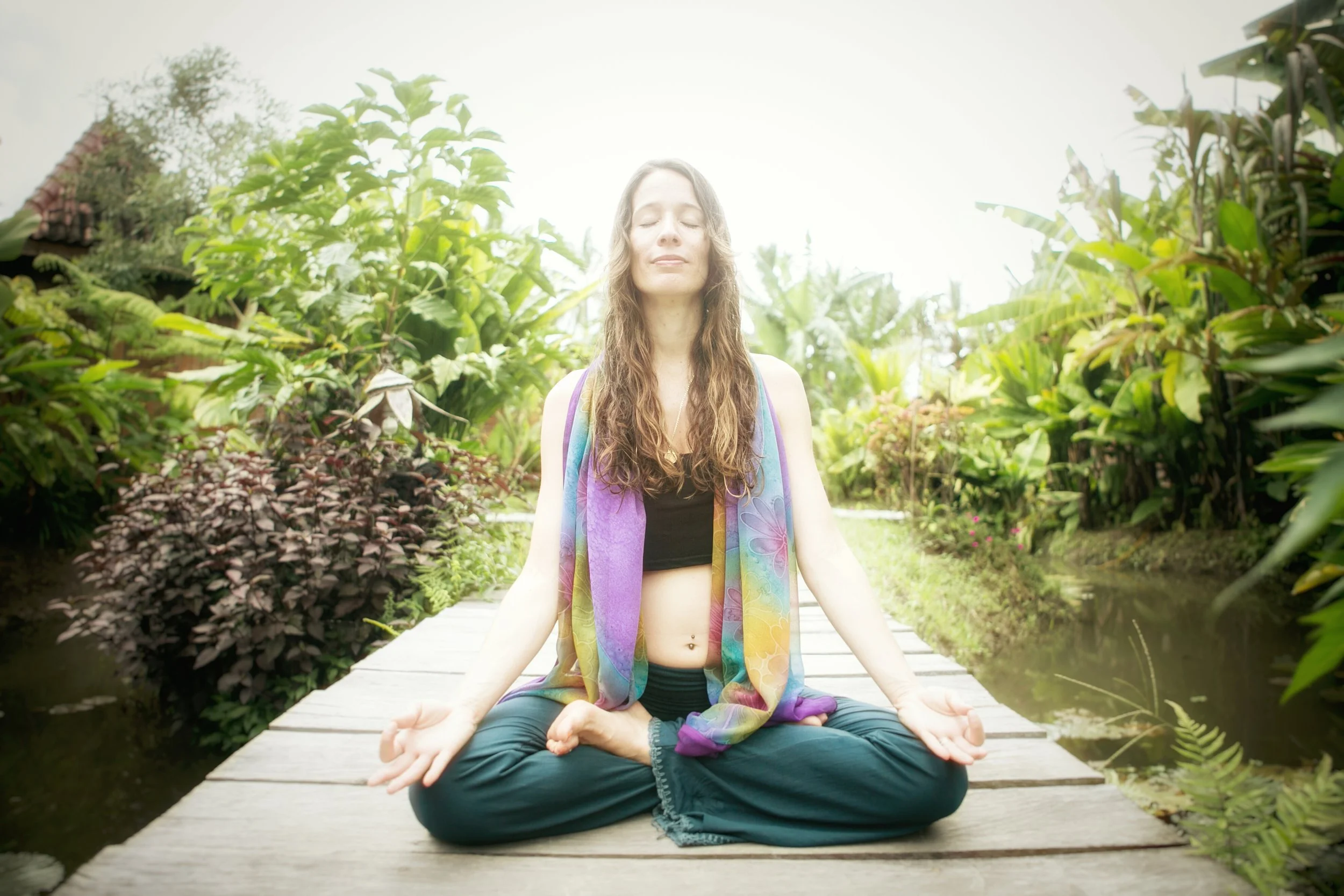
I was invited to join a three-day meditation retreat at the age of 15, more than 30 years ago. My then-boyfriend’s parents were vegetarians living on a commune, practicing meditation twice a day, at a time when all of these things sat on the fringes of society. This was not your average teenager’s weekend.
The feeling of calm came over me almost immediately in my first session, and within minutes my entire body was buzzing, a sense of connection from head to toe.
The feeling stayed with me for hours afterwards. A daily meditation habit was born.
Like most habits, it dropped off at times over the years. But it always came back. I think of my practice as an anchor. It keeps me grounded when the seas are rough and stormy, and whenever I feel lost, all it takes is to drop into that anchor to reconnect with myself.
For the last 15 years or so, I’ve practiced almost daily. I attribute my focus and clarity at work, including managing the operations of a business while caring for a newborn baby, to that time I spend in focussed contemplation.
If you haven’t had such a smooth transition to a contemplative practice, you’re not alone. Many people struggle to maintain a consistent meditation routine.
I’ve spoken to many people over the years who find it hard to sit for 5 minutes, let alone 10 or 20. A lot of my clients like the idea of mindfulness, but don’t know how to meditate consistently.
Many people have questions like:
Why is it so hard to meditate consistently?
How long should I meditate each day?
Is short meditation still effective?
How do I create a meditation routine that actually sticks?
If that sounds like you, here are 6 tips to help you make that routine more consistent, and ultimately more rewarding.
Would you like to receive regular news, updates and the latest wellbeing research? Sign up below!
Set Your North Star
Before you even sit down on the mat or in your chair, it helps to figure out why you’re doing it and what you hope to achieve from it.
Do you want to manage your temper better at home?
Do you want to handle the stress of work with more patience?
Has your doctor warned you about impending stress-related health issues?
Knowing what drives you will help you to stay motivated when you’re not so keen to do it.
2. Create the conditions
If the space is not inviting you to sit, you’ll likely find ‘something better to do’. Choose the space you’d like to do your practice and make the environment conducive to doing the practice. It doesn’t have to be a gorgeous deck overlooking a rainforest for it to be appealing. Just find a space in your home where you know you can comfortably sit without being interrupted for 10 to 20 minutes.
Ask yourself:
Will you lie down? Do you need a cushion or a chair? Do you want to add symbols to the area such as plants or references to spirituality or self connection? Do you want to journal afterwards? What can you do to mark that space as your meditation spot, and how can you make it feel warm and inviting?
3. Be Flexible
Some days you won’t be able to practice and that’s ok! I got Covid, I was managing a tired toddler, I had a c-section, I had to run out the door early to run a workshop. All of these things are a part of life. We can’t wait for the perfect scenario before we do something because often that perfect scenario will get disrupted, and for some people, a disrupted routine means they lost the habit completely.
So keep in mind that you need to be flexible.
Drop the length of time back if you need to. Skip a day if you can’t make it. Change the location or style of practice to ensure that it fits with your needs. Don’t hold on too rigidly to the way you think it’s ‘supposed’ to happen. You’ll find you’ll be much more likely to keep the routine going if you can manage this.
4. Try New Things
A lot of people try a mindfulness practice one time and say ‘it’s not for me’. To those people I say, ‘you gave up too soon!’. If you try a practice and you find it doesn’t resonate, try a different style or a different teacher before you give it up for good. Some people prefer using a mantra, but others rather use a breath-focussed meditation. There are yoga nidras, compassion-focussed meditations, and many other kinds.
There are also different formats. So if you try practicing at home on your own and it doesn’t work, you could start using a guided audio, or an online teacher. If you prefer the support of other people, look for a local mindfulness class you can join for guided practices. So just remember, there is no one specific kind of meditation. Make sure you’ve tried a few styles and a few different teachers before you decide to give up on it completely.
5. Make it so easy you’ll trip over it
I mentioned at the start of this article that I typically meditate for 10 to 20 minutes at a time. For some people, the idea of sitting still with their eyes closed for 15 minutes (and not sleeping) sounds like a nightmare! For those people, I suggest going low. What is the shortest amount of time you’d need to make the practice so easy you’ll trip over it? If you can only realistically see yourself doing two minutes before struggling, that’s totally fine!
Aim to do 2 minutes a day until you build yourself the consistency of the practice. Your mind and body will start to automate the process of preparing and sitting for that time. Within a few weeks you might find your confidence on the topic has changed and you can try and sit for a longer time, stretching it out by a minute every few days. Pretty soon you’ll be doing 10 and then 20 minutes per sitting with ease.
6. Anchor it to a solid habit
One of the best ways to start a new habit is to anchor it to an already concreted habit. Rather than relying on just remembering to do it or not getting side-tracked, aim to attach it to something you already do without fail every morning.
For example, you could choose to meditate for 5 minutes every morning before having your first coffee. Or you might decide to do the practice just after your brush your teeth every day. For me, I prefer to meditate soon after waking up and generally squeeze it in between the habit of drinking a glass of water with a spoon of protein and doing my exercise.
Ultimately, you want to aim for consistency, not on reaching a specific goal each time. You don’t have to get the perfect number of minutes completed each day. You don’t win a prize for that. You don’t have to walk away from each session feeling a certain way. Some days you’ll feel like you’re floating, and other days you’ll feel like you’ve just opened up a can of worms in your head! All of this is completely normal.
What serves you best is to let go of any expectations you have of yourself, your practice, or the outcomes you’ll reach.
I’d love to support you or your team to bring mindfulness into your workplace. I can chat with you about your personal practice, or what sessions or a workshop would look like in your organisation.
Reach out to me to book a call at hello@sunrisewell.com.au
GET Help bringing your wellbeing project to life
Do you want expert support in delivering a wellbeing project to your workplace or community?
Or are you hoping to bring evidence-based behaviour change to your teams?
Bringing wellbeing to small and large groups is not always a straight-forward practice.
It requires you to have an in-depth understanding of the topic, skills in research and presenting, and an ability to adapt and be flexible when project needs change.
If you’d like help putting together and delivering a wellbeing project, we can help.
We’ve worked with national and international clients to design and deliver educational programs and content to create lasting change within workplaces and community groups. We’d love to talk with you about how we can help you reach more people and get better results.